
Surfing the Silver Tsunami: Integrating Traditional Legacy Companies with Young Innovative Teams
- Winslow Swart
- Mar 21, 2024
- 3 min read

Updated: Apr 18, 2024

Recently, I was able to help steward a cultural integration process by providing full-stack strategic planning, leadership development and team building for a young, innovative tech company acquiring a traditional cybersecurity focused government contracting firm.
The stakes were high and failure was not a option. Getting the “Boomers” who were being acquired and the Millennials coming into the “C” suite to become a cohesive team was a challenge we leaned into and ultimately succeeded. This prompted more thought on the whole topic of the “silvering” of many firms today and the intergenerational dynamics capacity professionals, like myself, help navigate.
In the business world, mergers and acquisitions are common occurrences, often driven by the desire for growth, market expansion, or technological advancement. However, one particular trend has emerged in recent years, aptly named the “Silver Tsunami.” This phenomenon refers to the increasing number of legacy companies, typically led by an aging workforce, being acquired by younger, more innovative teams. While these acquisitions hold immense potential for synergy and growth, integrating the cultures of these two distinct entities presents unique challenges.
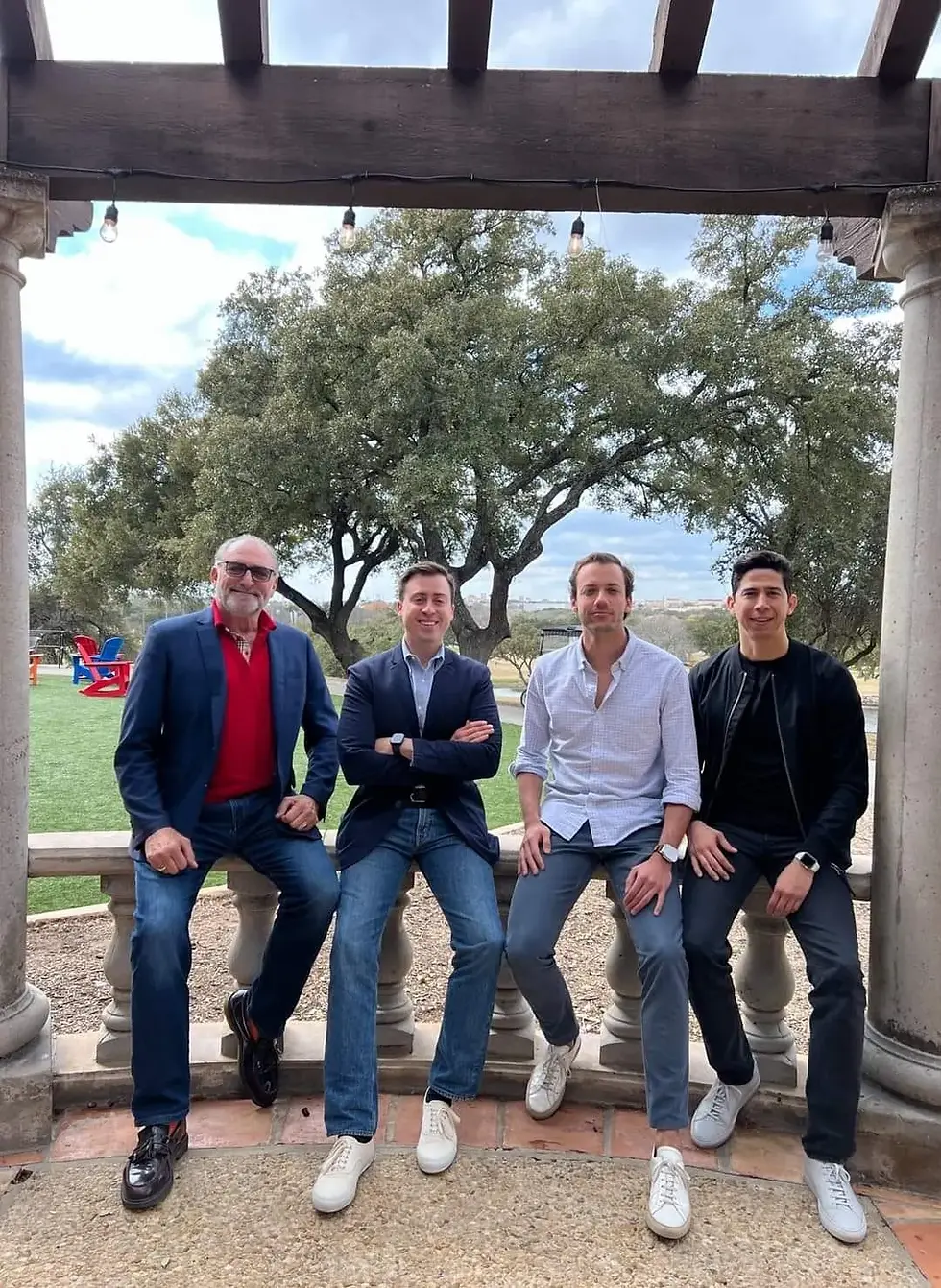
Recently, the author helped steward the strategic and cultural integration of millennial led IRYS Technologies Inc.’s (pictured above) merger/acquisition with legacy DoD contractor DTSI, Inc.
Understanding the Silver Tsunami
The Silver Tsunami is a consequence of demographic shifts and the natural progression of time. Many traditional legacy companies, built over decades, are now facing succession challenges as their senior executives retire or transition out of leadership roles. This leadership vacuum often prompts these companies to seek acquisition by younger, more agile firms looking to expand their market reach or acquire established infrastructure.
Challenges of Cultural Integration
The integration of a traditional legacy company with a young innovative team can be fraught with challenges, primarily stemming from differences in organizational culture, communication styles, and strategic priorities.
1. Cultural Divide: Legacy companies often have deeply ingrained cultures rooted in tradition, hierarchy, and stability, while young innovative teams may prioritize flexibility, experimentation, and rapid iteration. Bridging this cultural gap requires a delicate balance between preserving the heritage of the legacy company and fostering a culture of innovation and adaptability.
2. Communication Barriers: Effective communication is essential for successful integration, yet differing communication styles between generations can hinder collaboration and alignment. Legacy employees may prefer formal channels and face-to-face interactions, whereas younger team members might favor digital platforms and instant messaging. Establishing clear communication protocols that accommodate both preferences is crucial.
3. Resistance to Change: Resistance to change is a common challenge in any merger or acquisition scenario. Employees of the legacy company may feel apprehensive about the new leadership, fear job insecurity, or resent perceived disruptions to familiar processes. Conversely, members of the acquiring team may encounter resistance when implementing new technologies or processes that challenge existing norms. Overcoming resistance requires proactive change management strategies and transparent communication to address concerns and build trust.
Strategies for Successful Integration
While integrating the cultures of traditional legacy companies and young innovative teams presents its challenges, several strategies can facilitate a smooth transition and unlock the full potential of the merger.
1. Respect and Embrace Diversity: Recognize that diversity in age, experience, and perspective is a strength rather than a liability. Encourage open dialogue and collaboration, leveraging the unique insights and expertise of employees from both entities.
2. Cultural Exchange Programs: Implement cultural exchange programs that facilitate cross-pollination of ideas and foster mutual understanding between teams. This could include job rotations, mentorship initiatives, or joint project teams aimed at promoting collaboration and knowledge sharing.
3. Leadership Alignment: Ensure alignment at the leadership level by integrating key executives from both sides into the decision-making process. This fosters a sense of shared ownership and commitment to the vision of the combined entity.
4. Invest in Training and Development: Provide comprehensive training and development opportunities to equip employees with the skills and knowledge needed to thrive in the new environment. This could include technical training on new systems or processes, as well as soft skills development to enhance communication and collaboration.
5. Celebrate Successes and Milestones: Recognize and celebrate successes, no matter how small, to foster a positive and inclusive culture. This reinforces a sense of camaraderie and accomplishment, driving continued momentum towards shared goals.
Conclusion
The Silver Tsunami represents a significant opportunity for traditional legacy companies to rejuvenate their businesses through acquisition by young, innovative teams. However, successful integration requires careful navigation of cultural differences and a concerted effort to foster collaboration, communication, and mutual respect. By embracing diversity, fostering leadership alignment, and investing in training and development, organizations can harness the full potential of the combined entity and emerge stronger together in the face of the Silver Tsunami.


